
Since ancient times, human civilizations have looked up at the night sky with a sense of wonder. Long before the invention of modern solar calendars, tracking the moon phase today served as a vital, natural clock used to measure the shifting of seasons, predict weather changes, and manage agricultural harvests.
When you step outside and look up at the moon tonight, you are participating in a tradition that spans thousands of years. But what is tonight’s moon called, and how did these various names come to be?
While the most popular full moon names used across North America today are English interpretations of Native American terms, our modern lunar calendar is actually a rich tapestry woven from Celtic, Anglo-Saxon, medieval English, Neo-Pagan, and global cultural histories.
Let’s explore the traditional moon names by month, discover the diverse types of moons, and uncover the deep folklore behind each lunar cycle.
Full Moon Names by Month and Their Meanings
Because a complete cycle of moon phases takes approximately 29.5 days to finish, a standard solar year typically fits 12 full moons. Over centuries, Colonial Americans adopted regional Native American names into their almanacs, mixing them with Old World European terminology.
Here is the ultimate guide to traditional full moon names, alternative historical titles, and their rich seasonal meanings:
January: The Wolf Moon
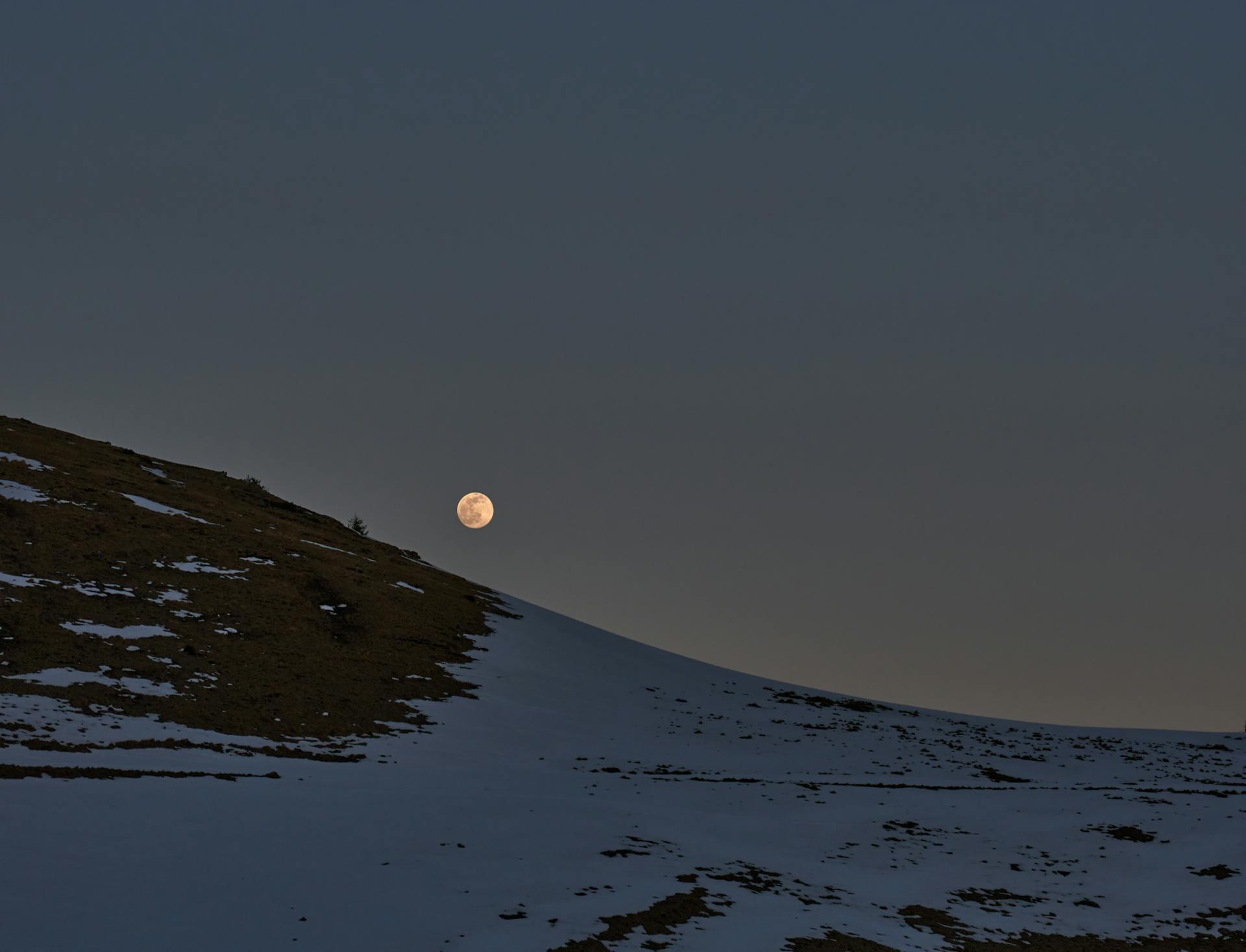
-
Primary Name: Wolf Moon
-
Alternative Names: Stay Home Moon, Quiet Moon (Celtic), Severe Moon, Center Moon (Native American), Moon After Yule (Anglo-Saxon)
-
The Meaning: The midwinter cold of January brought deep snows and freezing temperatures to the Northern Hemisphere. European settlers and Native American tribes frequently heard packs of hungry wolves howling outside their settlements in search of food, giving this moon its chilling name. The Anglo-Saxon title refers to the first full moon occurring immediately after pre-Christian Yule celebrations.
February: The Snow Moon
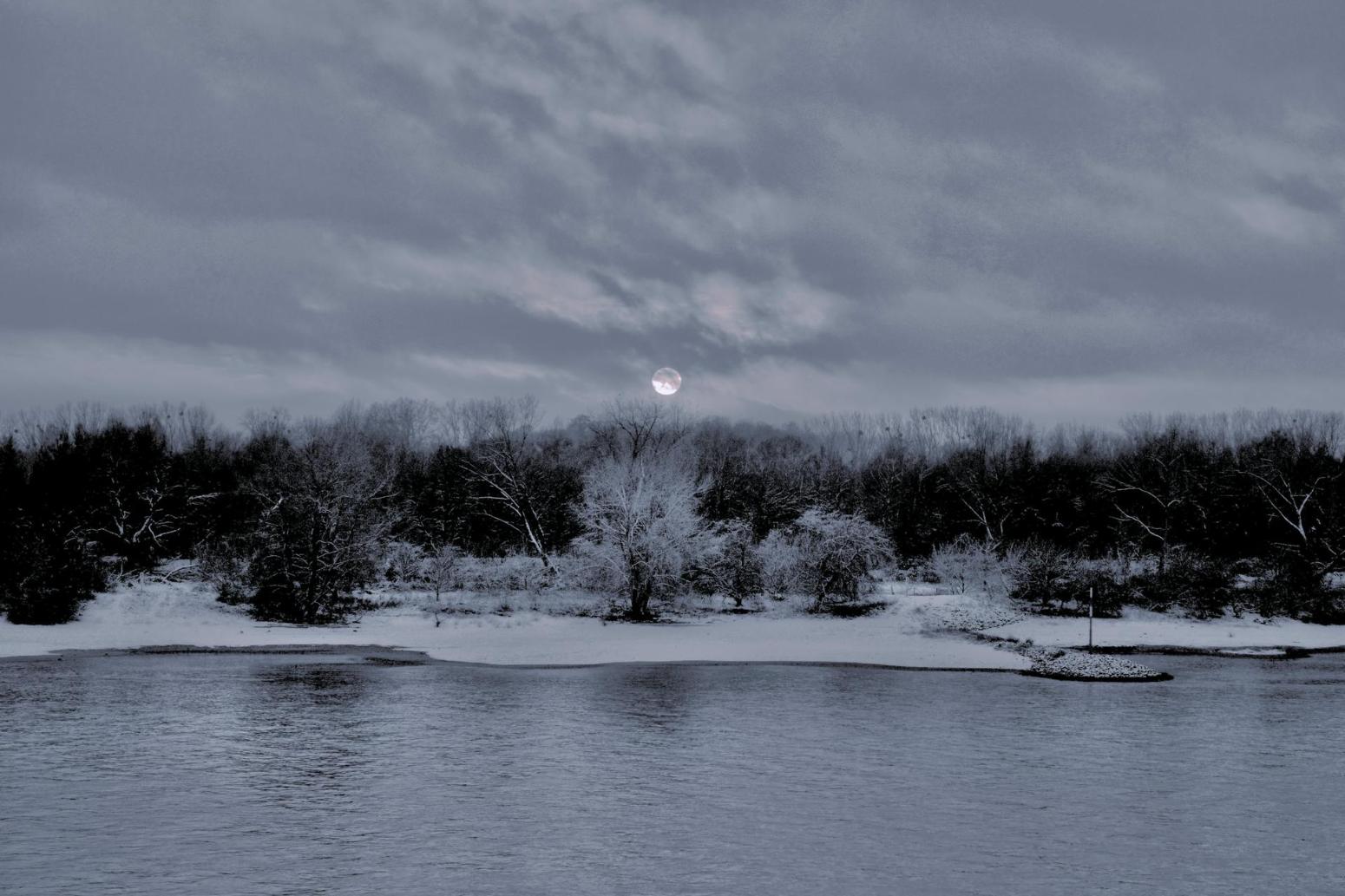
-
Primary Name: Snow Moon
-
Alternative Names: Storm Moon, Ice Moon (Old English), Hungry Moon, Bear Moon (Native American)
-
The Meaning: February is traditionally the month of the heaviest snowfall in North America and Europe. Due to the intense winter weather, hunting became incredibly difficult, leading many indigenous tribes to call it the Hungry Moon. Conversely, certain tribes used the name Bear Moon to celebrate the exact time of year when bear cubs are born in their winter dens.
March: The Worm Moon
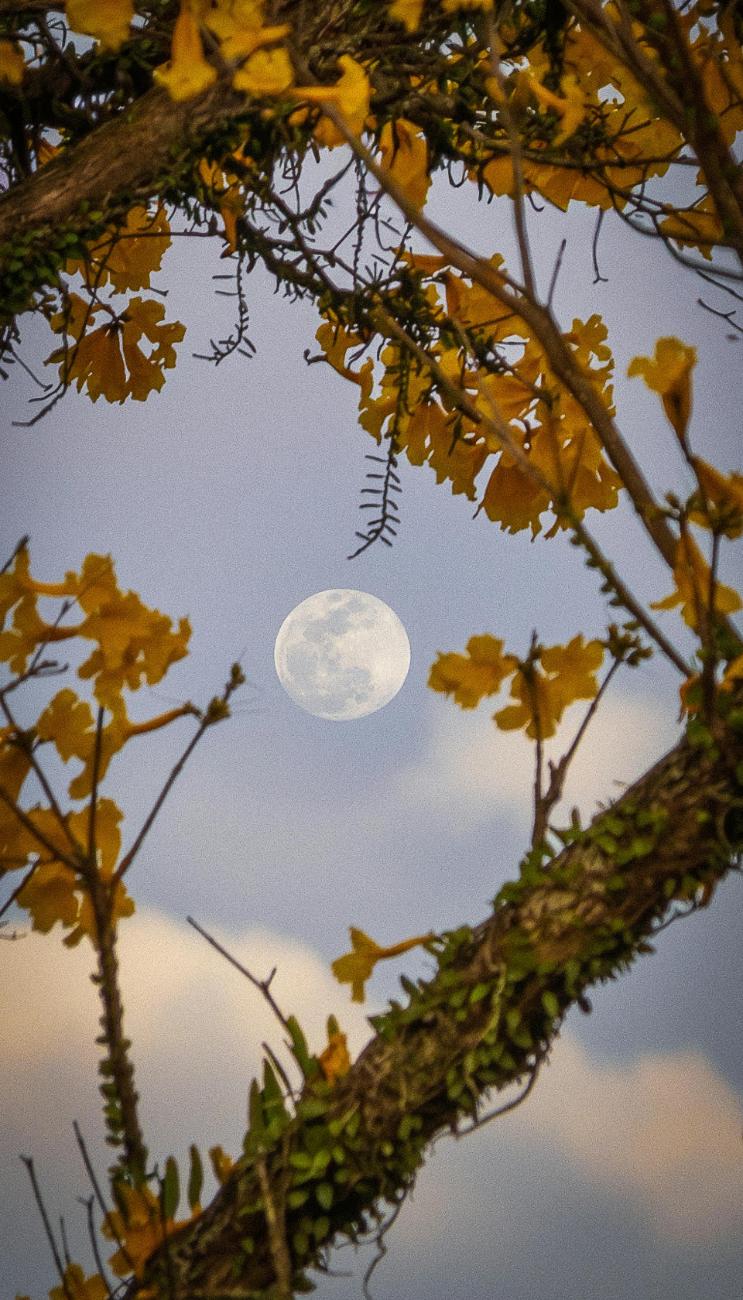
-
Primary Name: Worm Moon
-
Alternative Names: Lenten Moon (Anglo-Saxon), Wind Moon, Plough Moon (Celtic), Crow Moon, Sap and Sugar Moon (Native American), Death Moon, Chaste Moon (Old English)
-
The Meaning: As the final full moon of the winter season, March signals an earthly awakening. The ground begins to thaw, inviting earthworms to emerge and soften the soil for spring birds. The return of birds inspired the name Crow Moon. The Old English titles Chaste Moon and Death Moon represented the purity of the winter dying away to make room for new life.
April: The Pink Moon
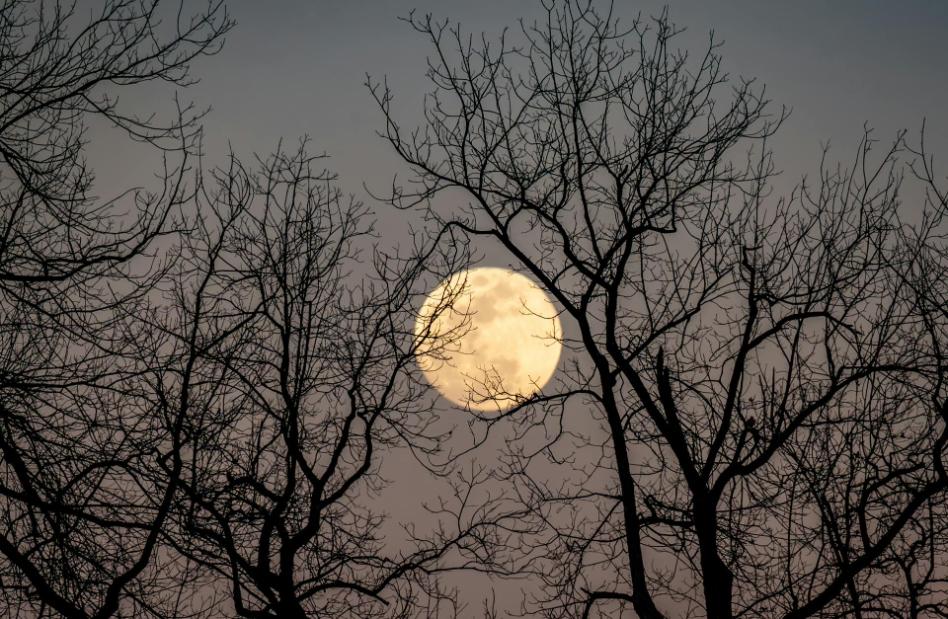
-
Primary Name: Pink Moon
-
Alternative Names: Egg Moon (Anglo-Saxon), Budding Moon, Seed Moon, Growing Moon (Celtic), Awakening Moon (Neo-Pagan), Breaking Ice Moon (Native American)
-
The Meaning: April doesn’t mean the moon changes color; rather, it is named after the widespread blooming of pink wild ground phlox, one of the earliest spring wildflowers to blanket North America. This moon is also frequently utilized as the Paschal Moon—the crucial marker used by the Christian ecclesiastical calendar to calculate the exact date of Easter Sunday.
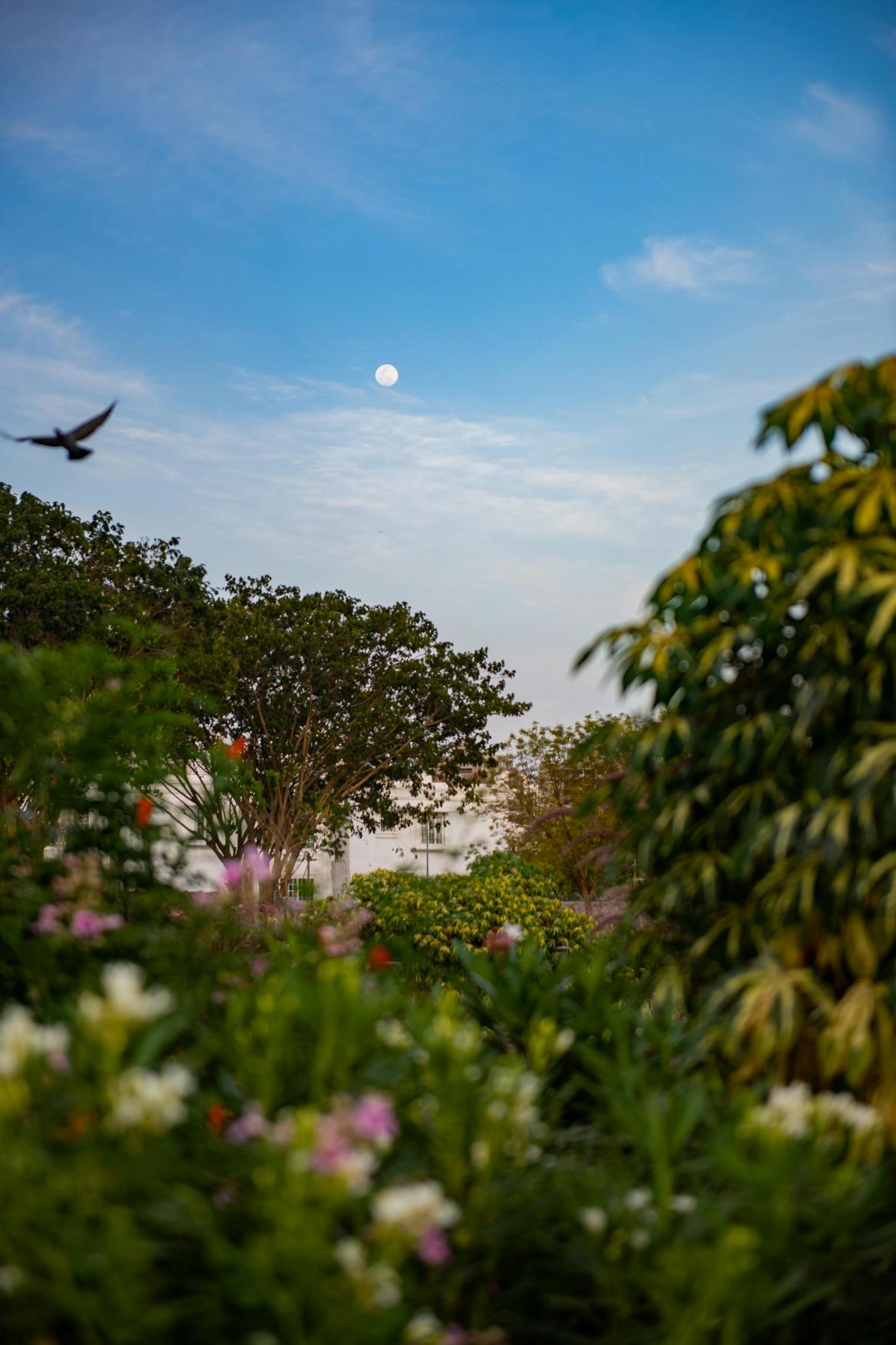
May: The Flower Moon
-
Primary Name: Flower Moon
-
Alternative Names: Milk Moon (Anglo-Saxon), Mothers’ Moon, Bright Moon, Hare Moon, Grass Moon (Celtic), Planting Moon, Egg Laying Moon (Native American)
-
The Meaning: By May, spring is in full swing. This moon honors the rich abundance of flora opening across fields and forests. The old Anglo-Saxon name, Milk Moon, stems from the agricultural observation that cows moved to fresh, nutrient-rich spring pastures produced significantly more milk during this cycle.
June: The Strawberry Moon
-
Primary Name: Strawberry Moon
-
Alternative Names: Mead Moon, Rose Moon, Horse Moon (Celtic), Green Corn Moon, Hot Moon (Native American)
-
The Meaning: June’s lunar cycle signaled the peak ripening and ideal harvesting window for sweet, wild strawberries across northeastern North America. In European traditions, it was frequently called the Mead Moon or Rose Moon, celebrating the fermentation of honey wines and the peak blooming era of grand European rose gardens.
July: The Buck Moon
-
Primary Name: Buck Moon
-
Alternative Names: Hay Moon (Anglo-Saxon), Claiming Moon, Herb Moon, Wyrt Moon (Celtic), Thunder Moon, Salmon Moon, Raspberry Moon (Native American)
-
The Meaning: July is a time of rapid growth in the animal kingdom. During this summer stretch, the velvety new antlers of young male deer (bucks) rapidly push out from their foreheads. Frequent summer storms also earned it the title Thunder Moon, while coastal tribes focused on the Salmon Moon to mark peak river fishing windows.
August: The Sturgeon Moon
-
Primary Name: Sturgeon Moon
-
Alternative Names: Grain Moon (Anglo-Saxon), Dispute Moon, Lynx Moon (Celtic), Corn Moon, Lightning Moon (Old English)
-
The Meaning: For tribes living near the Great Lakes and Lake Champlain, August was the premier month for harvesting giant lake sturgeon. These massive fish were an indispensable food source for regional survival. In Europe, the Anglo-Saxons called it the Grain Moon to reflect the early stages of gathering the summer’s wheat and barley crops.
September: The September Full Moon (Corn Moon)
-
Primary Name: Corn Moon / Harvest Moon
-
Alternative Names: Barley Moon, Wine Moon, Song Moon (Celtic)
-
The Meaning: September is heavily defined by agricultural abundance. Native American tribes used this moon to mark the gathering of corn, pumpkins, and squash.
-
The Harvest Moon Exception: Unlike other moons, the Harvest Moon is the only title determined by an astronomical event rather than a fixed calendar month. It is officially defined as the full moon closest to the autumn equinox (around September 22). While it usually occurs as the September full moon, about once every three years it falls in October instead!
October: The Hunter’s Moon
-
Primary Name: Hunter’s Moon
-
Alternative Names: Sanguine Moon, Blood Moon (Pagan), Seed Fall Moon (Celtic), Freezing Moon, Falling Leaves Moon (Native American)
-
The Meaning: As fields were cleared after the harvest, animals became easily visible in the open terrain. October marked the essential window for northern communities to hunt, slaughter, and preserve meats ahead of the brutal winter freeze. Note: While Pagans historically used the term Blood Moon for this hunting cycle, it should not be confused with the astronomical term for a total lunar eclipse!
November: The Beaver Moon
-
Primary Name: Beaver Moon
-
Alternative Names: Mourning Moon, Darkest Depths Moon (Celtic), Frost Moon, Freezing Moon (Native American)
-
The Meaning: November brings sharp drops in temperature. This moon is named after the beavers who can be observed working diligently to finish constructing their winter mud dams before the rivers freeze over entirely. It also served as a warning to fur trappers to set their traps before ice sealed the landscape.
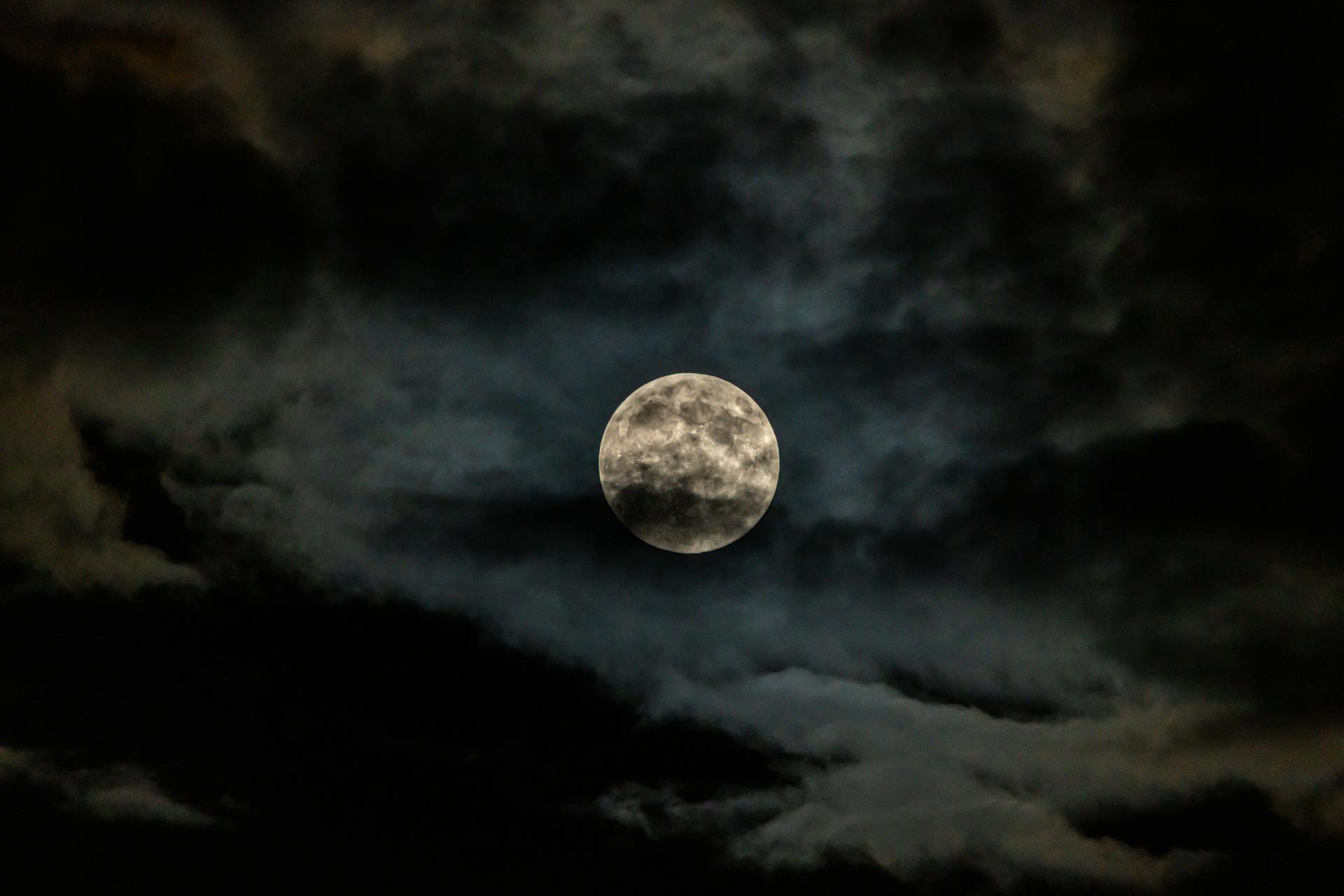
December: The Cold Moon
-
Primary Name: Cold Moon
-
Alternative Names: Long Night Moon, Moon Before Yule (Anglo-Saxon), Oak Moon (Celtic)
-
The Meaning: Winter officially takes its grip on the Northern Hemisphere in December. The title Long Night Moon is a direct nod to the winter solstice—the longest night of the entire year—where the moon sits above the horizon for an extended period, shining down on the freezing winter landscape.
Global Moon Traditions: Moving Beyond the West
While Western and Native American terms dominate modern search engines, cultures across the globe have their own beautiful ways of tracking and celebrating the next full moon.
The Southern Hemisphere Continuum
Because seasons are flipped south of the equator, applying Northern Hemisphere seasonal names (like calling a February moon the “Snow Moon” in mid-summer Australia) doesn’t align with nature.
While British names are less common in Australia and New Zealand, the indigenous Māori people utilize a sophisticated lunar calendar known as the maramataka. Beginning in May, the maramataka tracks 12 distinct months based on ecological changes, using names like Pipiri, Hongonui, and Mahuru to carefully align human activity with the natural environment.
Asian Lunar Customs
-
Japan (Tsukimi): The Japanese tradition of Tsukimi translates directly to “looking at the moon.” This elegant custom focuses on viewing the brilliant Autumn Harvest Moon while offering rice dumplings (tsukimi dango) to express gratitude for a bountiful crop.
-
Korea (Chuseok) & China (Mid-Autumn Festival): Mirroring Tsukimi, these massive cultural harvest festivals bring families together globally to share seasonal foods, give thanks to ancestors, and gaze up at the peak brightness of the mid-autumn sky.
Sri Lanka (The Poya Holidays)
In Sri Lanka, every single full moon is known as a Poya day. Each Poya holds its own distinct, sacred name—such as Vesak Poya or Poson Poya—and serves as a dedicated public and religious holiday for citizens to visit temples and practice mindfulness.
What Happens When the 12-Month Calendar Breaks?
Because the lunar month (29.5 days) is shorter than our standard calendar months, the lunar calendar slowly outpaces the solar year. Every two to three years, the leftover days accumulate, and an extra 13th full moon slips into the solar cycle.
Because this extra moon does not fit into the traditional 12-month naming scheme, it acts as a calendar wild card. This phenomenon is exactly what astronomers refer to as a Blue Moon.
If you are curious about how these rare calendar anomalies are calculated, or want to know exactly when the next extra full moon will arrive in your time zone, check out our comprehensive guide on what a blue moon is and when the next one is will be to keep your astronomical schedule perfectly synchronized.
FAQ?
What is tonight’s moon called?
To determine exactly what tonight’s moon is called, match the current date against our moon names by month tracker above. If a month happens to host two full moons, the second one is always called a Blue Moon!
How many different types of moons exist?
Beyond traditional names, astronomers classify moons by their physical and orbital behaviors. A Supermoon occurs when a full moon peaks at its closest approach to Earth (perigee), appearing larger and brighter than usual. A Blood Moon describes the deep red color the moon takes on during a total lunar eclipse.
Why do some full moon names overlap between months?
Because the moon cycles on a 29.5-day schedule, the exact date of a full moon moves backward slightly each month. Historically, communities used a full moon name to define the entire lunar month rather than just a single night, leading to natural overlap as the seasons shifted.